
Get a high-quality downwind sail that performs. Loong Sails designs, tests, and refines sail designs for extra boat speed and a better ride. Trust Loong Sails spinnakers for your boat’s power and control. Start your journey now.
RACING SPINNAKERS
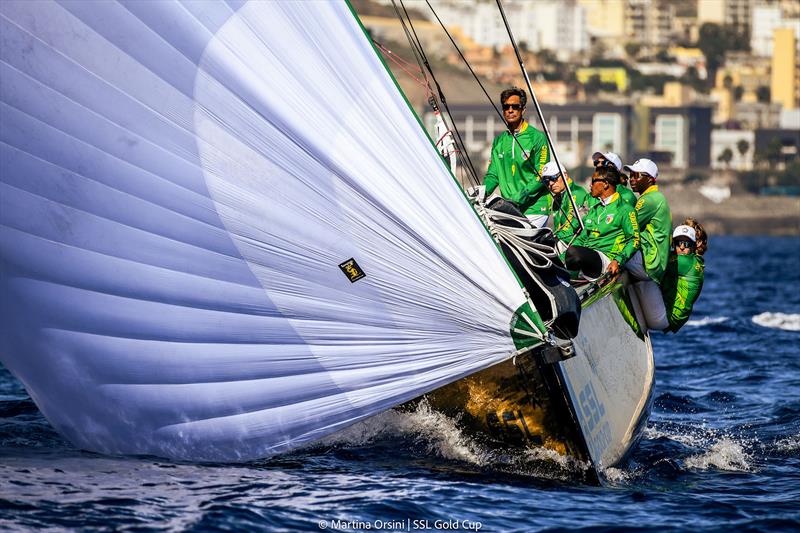
Investing in a new spinnaker can make a huge difference in your sailing experience. Loong Sails offers a variety of spinnakers that are tailored to fit your boat, whether it’s a sports boat or equipped with a spinnaker pole. Their line of Racing Asymmetric and Symmetric spinnakers are designed to perform in all types of downwind sailing conditions, from light to heavy wind. Choosing the right spinnaker for the right conditions can give you a competitive advantage and help you take the lead.
CRUISING SPINNAKERS
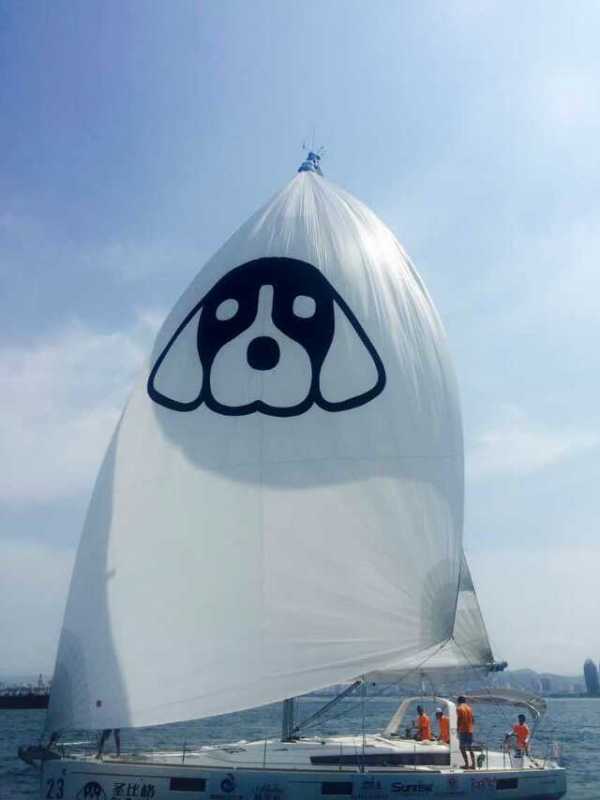
Set sail with the wind behind you and make the most out of your boat with the perfect downwind sail. Consider using a Loong Cruising Gennaker, an asymmetric spinnaker that’s easy to control and doesn’t require extra rigging or a spinnaker pole. Alternatively, you could choose a TradeWinds sail, which is designed to handle both running and reaching, making it a versatile option. Relax and enjoy your cruise!
OPTIONS FOR SPINNAKERS
WHAT IS DOWNWIND SAILING?
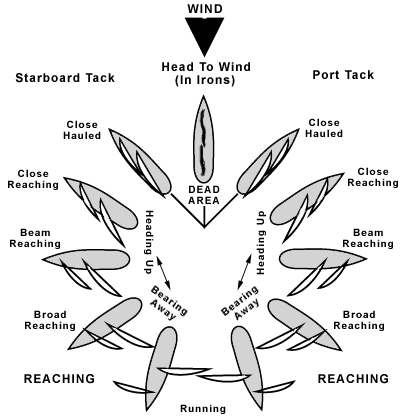
Downwind sailing refers to the act of sailing with the wind coming from behind the boat. In downwind sailing, the wind is pushing the boat forward, allowing it to travel in the same direction as the wind. This is in contrast to upwind sailing, where the boat sails against the wind.
Key characteristics of downwind sailing:
- Wind Direction: The wind is blowing from behind the boat, typically from the stern (rear) to the bow (front).
- Sail Configuration: Downwind sailing often involves using specialized sails designed to catch and harness the wind from behind. These can include spinnakers, gennakers, asymmetrical spinnakers, or even traditional sails like mainsails or jibs, depending on the wind angle and boat design.
- Boat Speed: Downwind sailing tends to result in higher boat speeds compared to upwind sailing, as the boat is being pushed by the wind rather than fighting against it.
- Point of Sail: Downwind sailing typically occurs on a broad reach (with the wind at a slight angle to the side of the boat), a run (with the wind directly behind the boat), or somewhere in between these two points.
- Techniques: Maneuvers such as gybing (changing the direction of the boat while sailing downwind) and sail trim adjustments are important aspects of downwind sailing, as they help optimize speed and control.
TYPES OF DOWNWIND SAILS
| Sail Type | Descriptions |
| Code Zero | A Code Zero sail is a versatile downwind sail that is ideal for light to moderate wind conditions. It is typically used when sailing at angles between a true downwind course and a close reach. Code zeros are known for their ability to generate power and provide good speed in light winds. They have a high aspect ratio and a flat shape, which allows them to maintain their shape and performance even when the wind is light. Code zeros are typically designed to be flown from a bowsprit or a specialized furler, and they are often made from lightweight materials to maximize their efficiency in light wind conditions. These sails are easy to handle and can be furled or unfurled quickly, making them a popular choice for cruising sailors. In racing and performance cruising, Code Zero sails play a crucial role in maintaining boat speed and performance, particularly when navigating challenging wind conditions. |
| Genoas | Genoas are another type of headsail commonly used in sailing, particularly by cruisers. They are larger headsails that are designed to provide good performance in light to moderate wind conditions. Genoas are usually categorized based on their LP percentage, with sizes ranging from around 120% to 150% LP. The larger size of genoas allows them to capture more wind and generate power when sailing downwind or on a broad reach. They are effective in light winds and are often used when sailing in trade wind regions or during long downwind passages. Genoas can be made from a variety of materials, including dacron, laminate, or other high-performance fabrics. They are typically set forward of the mast and are attached to the forestay, contributing to the boat’s upwind performance. Additionally, many modern cruising yachts are equipped with furling systems for the Genoa, making them easy to handle and adjust while underway. |
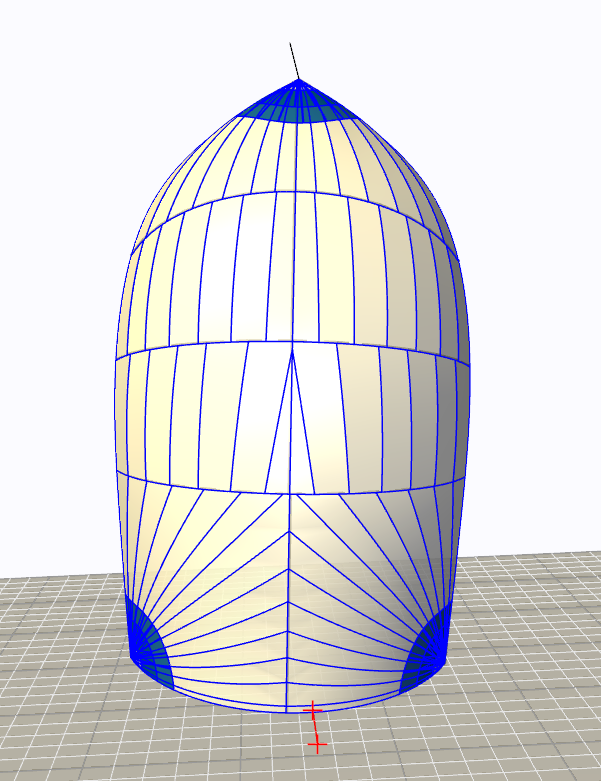
| Spinnakers | A spinnaker is a specialized downwind sail commonly used in sailing, particularly in racing and cruising yachts. Most cruising sailors choose asymmetrical spinnakers or simply “asyms”. They are designed to be easy to handle and versatile in a wide range of wind conditions and angles and can be flown without the need for a spinnaker pole. Cruising spinnakers are typically made with lightweight nylon fabrics and have a unique shape that allows them to be used as light wind-reaching sails and can also provide good downwind performance. These sails are versatile and can be used on various points of sail, including reaching and running. Cruising spinnakers are particularly effective in light to moderate wind conditions and can add excitement to your sailing experience. They are available in different sizes and designs, allowing you to choose the one that suits your boat and sailing preferences. Spinnakers are highly effective for sailing downwind, adding both speed and excitement to your sailing adventures. |
| Reachers | A reacher sail, also known as a reaching headsail, is a type of headsail designed primarily for reaching angles. Reachers typically have a flatter shape than genoas and are larger than jibs, making them ideal for sailing at angles between a close reach and a broad reach. They are effective for sailing in moderate to strong winds and can significantly improve a boat’s performance when reaching. |
| Gennakers | A gennaker is a hybrid sail that combines features of a genoa and a spinnaker. It is designed to be flown from a bowsprit or a specialized furler and is used primarily for downwind sailing. Gennakers have a unique shape that allows them to generate power and provide good speed in light to moderate wind conditions. They are easier to handle than traditional spinnakers and are commonly used in cruising and racing yachts. |
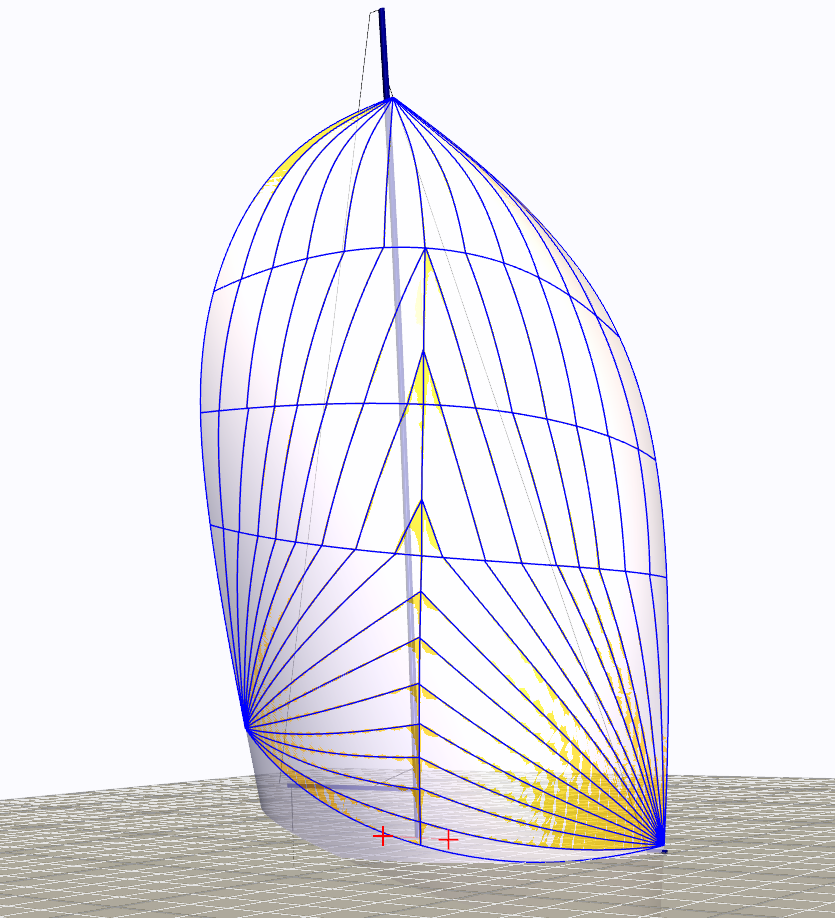
| Asymmetrical Spinnaker | An asymmetrical spinnaker, often abbreviated as “asym,” is a type of spinnaker that is designed to be flown from a bowsprit or a specialized furler without the need for a spinnaker pole. Asymmetrical spinnakers have a unique shape that allows them to generate power and provide good speed in a wide range of wind conditions and angles. They are particularly popular among cruising sailors due to their ease of handling and versatility. Asyms are often used for reaching and running angles and are effective in light to moderate wind conditions. They add excitement to sailing and are available in various sizes and designs to suit different boats and preferences. |
 LOONG SAILS-UK LIMITED